
Stops draughts through wall cavities
Uninsulated cavities allow air movement that carries heat out in winter and pulls hot air in during summer. Cavity insulation blocks this airflow, making your home less drafty and more consistent in temperature.
Pascoe Vale South
Cavity wall insulation fills the gap between brick leaves or behind brick veneer to stop draughts and heat loss through your external walls. Expert Insulation Melbourne installs it in Pascoe Vale South homes where the wall type suits this method.
Share your details and Expert Insulation Melbourne will contact you about Cavity Wall Insulation in Pascoe Vale South.
Cavity wall insulation is injected into the air gap of brick veneer or double brick walls through small holes drilled in the mortar. Once filled, the holes are patched to match the existing brickwork. It is a non-invasive way to improve thermal resistance without removing internal linings or cladding.
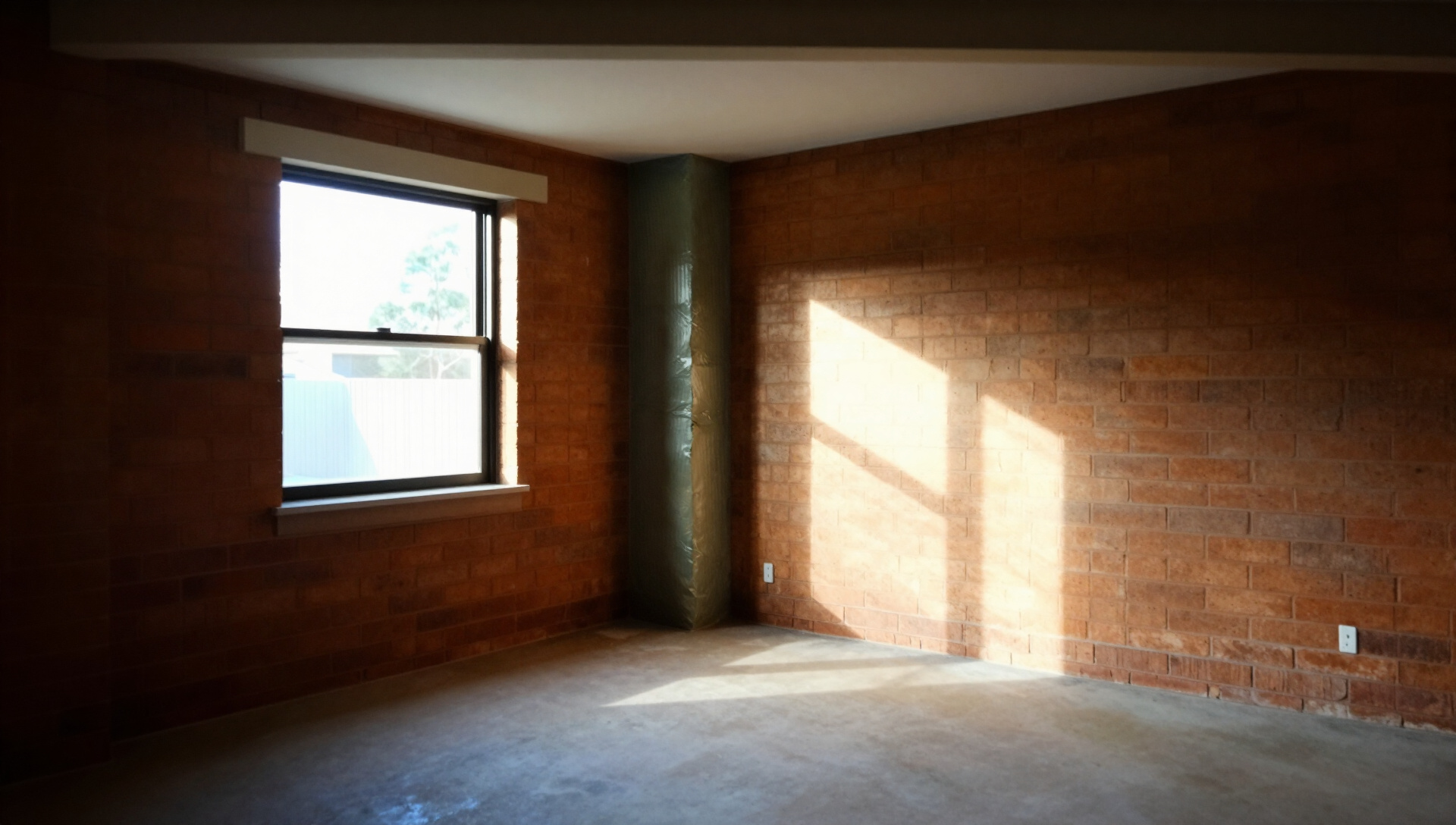
Many Pascoe Vale South homes are brick veneer built in the 1960s to 1990s with uninsulated wall cavities. Without insulation in the cavity, heat escapes through the outer brick leaf in winter and radiant heat enters in summer. Filling the cavity addresses this directly.
Uninsulated cavities allow air movement that carries heat out in winter and pulls hot air in during summer. Cavity insulation blocks this airflow, making your home less drafty and more consistent in temperature.
Walls can account for up to 20 percent of a home’s heat loss. Insulating the cavity cuts this loss, so your heater and cooler run less often. Most homeowners notice lower energy bills within the first season.
The work is done from outside, so there is no need to strip plasterboard or move furniture. The process takes a day for an average home, with only the external brickwork accessed.
The small entry holes are colour-matched and sealed, leaving the brickwork looking the same. There is no change to the appearance of your home once the job is finished.
In Pascoe Vale South’s cold winters and hot summers, cavity insulation evens out indoor temperatures. Rooms stay warmer in winter and cooler in summer without relying solely on heating and cooling systems.
Once installed, cavity insulation does not settle or compress like some bulk products. It maintains its thermal resistance for the life of the building, provided the walls remain dry and undamaged.
The process begins with a site inspection to confirm the wall type and condition. Not all walls are suitable, so this check ensures the method will work for your home.
A technician checks the wall construction, mortar condition and cavity width. Brick veneer is usually suitable, while some double brick walls may not have a continuous cavity. Moisture issues or damaged brickwork are noted before proceeding.
Small holes are drilled in the mortar joints at regular intervals, typically every 600 to 800 millimetres. The pattern ensures even fill across the entire cavity without over-packing any section.
Loose-fill or foam insulation is injected into the cavity under controlled pressure. The installer monitors the fill to avoid gaps or overfilling that could bridge the cavity and create moisture problems.
The access holes are plugged with colour-matched mortar and finished to blend with the existing brickwork. The site is left clean, with no internal disruption to your home.
Pascoe Vale South has many postwar brick veneer homes built when cavity insulation was not standard. These houses often have cold walls in winter and hot internal surfaces in summer. Cavity wall insulation is a practical upgrade that addresses these issues without major renovations.
Improve thermal performance in brick veneer homes with cavity wall insulation installed by Expert Insulation Melbourne.
Homeowners in Pascoe Vale South often ask about suitability, cost factors and how long the work takes. Here are the key details.
Cavity wall insulation in Pascoe Vale South targets the uninsulated air gap in brick veneer and some double brick walls. This gap allows heat to escape in winter and enter in summer, making heating and cooling systems work harder. Filling the cavity with insulation material reduces this heat transfer, improving comfort and cutting energy use.
Pascoe Vale South’s brick veneer homes from the 1960s to 1990s are prime candidates. The outer brick leaf and inner timber frame create a cavity that can be accessed from outside. An inspection confirms the wall type and cavity width before installation begins. If the cavity is not continuous or has moisture issues, alternative wall insulation methods may be recommended.
The cost of cavity wall insulation depends on the wall area, access, cavity width and the chosen material. Most Pascoe Vale South homes take a day to complete, with minimal disruption. The long-term savings on heating and cooling typically offset the upfront investment within a few years.
If your Pascoe Vale South home has brick veneer or double brick walls, cavity insulation can make it more comfortable and energy efficient. Call Expert Insulation Melbourne on 0399695249 to arrange an inspection and quote.