
Lower heating and cooling costs
Insulated walls slow heat transfer, so your heating and cooling systems run less often. This directly reduces energy use and power bills, especially in a climate with big seasonal swings like Melbourne’s.
Pascoe Vale South
Wall insulation fitted into open stud frames during renovations, extensions or new builds in Pascoe Vale South. We use glasswool, polyester or rockwool batts rated by R-value to slow heat flow through walls and improve year-round comfort.
Share your details and Expert Insulation Melbourne will contact you about Wall Insulation in Pascoe Vale South.
Wall insulation in Pascoe Vale South is installed into the open stud frames of walls during renovations, extensions or new builds. It uses bulk materials like glasswool, polyester or rockwool batts that trap still air to resist heat flow. In a suburb with cold winters and hot summers, properly insulated walls reduce winter heat loss through external walls and limit summer heat gain, cutting heating and cooling costs.
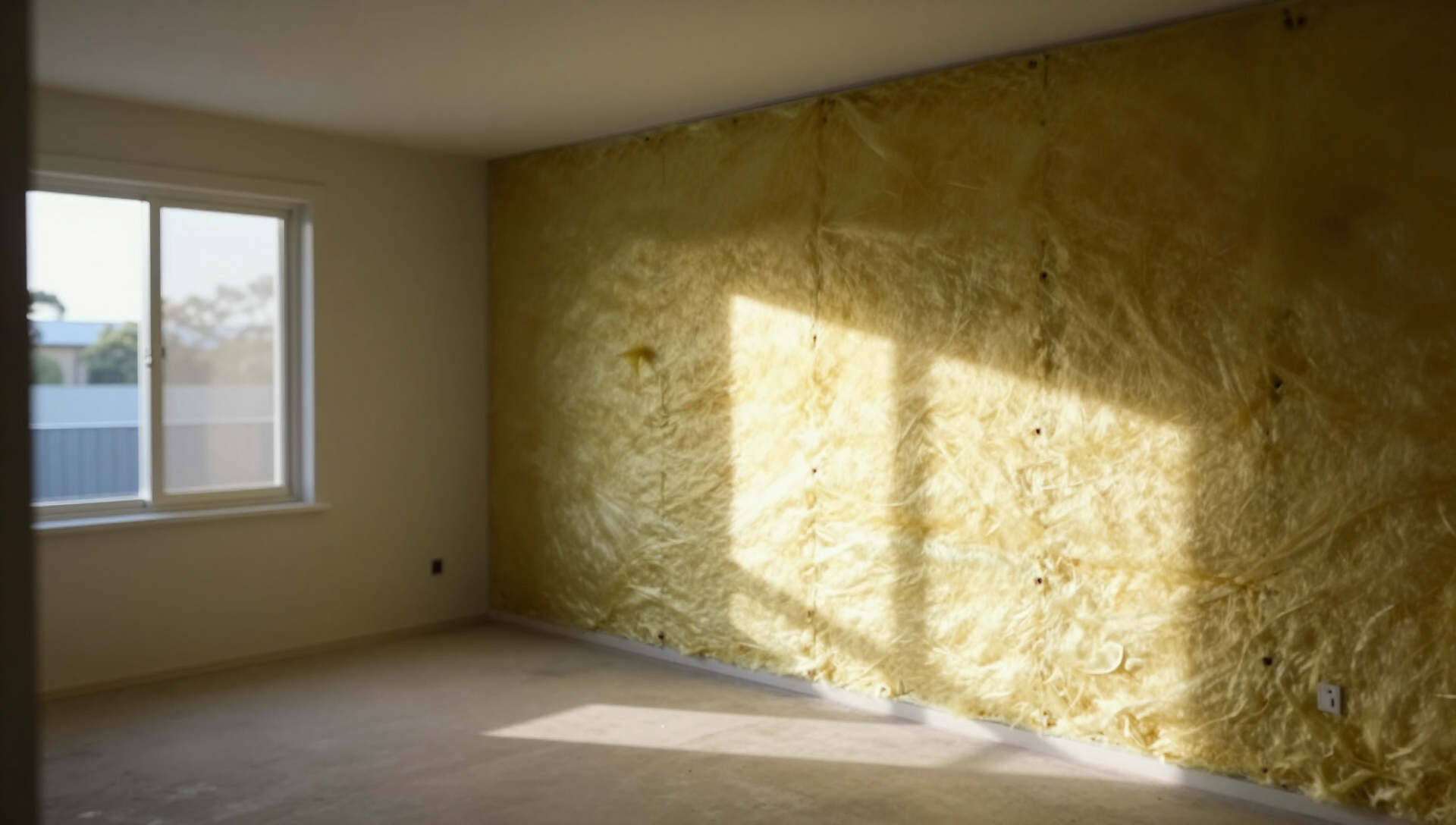
Pascoe Vale South homes often have brick veneer or weatherboard walls that let heat escape in winter and enter in summer. Wall insulation addresses this by adding thermal resistance to the wall cavity, which keeps indoor temperatures steadier and reduces the load on heaters and air conditioners.
Insulated walls slow heat transfer, so your heating and cooling systems run less often. This directly reduces energy use and power bills, especially in a climate with big seasonal swings like Melbourne’s.
Bulk batts in external walls buffer against outdoor temperature changes. Rooms stay warmer in winter and cooler in summer, improving comfort without constant adjustments to thermostats.
When batts are fitted tightly between studs, they also block gaps that cause draughts. This stops cold air entering through walls and warm air escaping, which is common in older brick veneer homes.
Acoustic batts can be installed in internal walls to absorb sound. This is useful for homes with open-plan living areas or bedrooms next to noisy spaces like laundries or garages.
Properly installed wall insulation helps manage moisture by reducing temperature differences that cause condensation inside walls. This lowers the risk of mould growth in the wall cavity.
Bulk insulation does not settle or degrade over time if installed correctly. Glasswool, polyester and rockwool batts maintain their R-value and thermal resistance for the life of the building.
Wall insulation is only practical when the wall framing is exposed, such as during renovations, extensions or new construction. The process is straightforward but must be done before the wall linings go up.
We check the stud spacing, wall type and any services like pipes or cables in the frame. This ensures the batts will fit correctly and there are no obstructions or moisture issues that need addressing first.
Batts are cut to fit snugly between the studs without compression, which would reduce their R-value. We leave no gaps around edges or at the top and bottom plates to prevent thermal bridging.
The batts are friction-fitted between the vertical studs, starting from the bottom and working up. For brick veneer walls, we ensure the insulation sits flush against the internal lining to maximise thermal resistance.
After installation, we check for any gaps or compression and make adjustments. The wall lining can then be installed over the insulation, completing the thermal barrier.
Pascoe Vale South has a mix of older brick veneer and weatherboard homes, many of which have uninsulated walls. Without insulation, these walls allow significant heat loss in winter and heat gain in summer, leading to higher energy bills and uneven temperatures. Wall insulation is most cost-effective when installed during renovations or extensions, when the wall frames are open and accessible. For existing homes with closed walls, cavity wall insulation may be an option depending on the wall type and condition, which we can assess on site.
We install glasswool, polyester or rockwool batts into open stud frames during renovations and new builds in Pascoe Vale South.
Homeowners in Pascoe Vale South often ask about the best materials, R-values and whether wall insulation can be added to existing homes. Here are the key details.
Wall insulation in Pascoe Vale South is a practical upgrade for homes undergoing renovations or extensions. By installing bulk batts into open stud frames, you add thermal resistance that reduces heat loss through external walls in winter and limits heat gain in summer. This is especially valuable in Melbourne’s climate, where temperature swings can be extreme and heating and cooling costs add up quickly.
The most common materials for wall insulation are glasswool, polyester and rockwool batts. These products trap still air to resist heat flow and are available in R-values typically ranging from R2.0 to R2.7 for walls. Higher R-values provide greater thermal resistance but may require thicker batts, so the choice depends on the stud depth and available space within the wall frame.
In Pascoe Vale South, many homes have brick veneer or weatherboard walls that were built without insulation. Adding wall insulation during a renovation or extension is a cost-effective way to improve energy efficiency and comfort. For existing homes with closed walls, cavity wall insulation may be an option, but suitability depends on the wall construction and moisture conditions, which should be checked by a professional before proceeding.
If you are renovating, extending or building in Pascoe Vale South, now is the time to add wall insulation. We supply and install glasswool, polyester and rockwool batts to improve thermal performance and reduce energy costs.